

- Product Management -
Product Data Management for Manufacturing Materials and Components
Organize every material, component, and finished product in one centralized system. Track raw materials, purchased parts, manufactured components, and finished goods with complete specifications, supplier information, costs, and inventory levels. One system manages all product data for your manufacturing operation.
Managing product data in spreadsheets means scattered specifications, outdated supplier information, and confusion about which part numbers are current. Multiple versions create errors in purchasing, production, and costing. Alpide Product Management centralizes all material and product information so everyone works from accurate, current data without searching through files or asking colleagues what's correct.
Manage Every Type of Product and Material
Manufacturing operations work with many material types, hundreds of components, and constantly changing specifications. Alpide Product Management organizes everything from raw materials and purchased parts to components you manufacture and finished products. Track specifications, suppliers, costs, and inventory for all materials in one centralized database.
Centralized Product System
Store all material and product information in one system accessible to purchasing, production, and accounting teams. Everyone sees current specifications, supplier details, and costs without searching spreadsheets or asking for updates. Eliminate version confusion and ensure accurate data across your entire operation.
Product Lifecycle and Status Tracking
Track products from initial development through active production to eventual discontinuation. Mark items as active, inactive, or obsolete. Set effective dates for when products become available or get phased out. Track replacement parts when products get updated. Attach drawings, specifications, and quality certificates directly to product records.
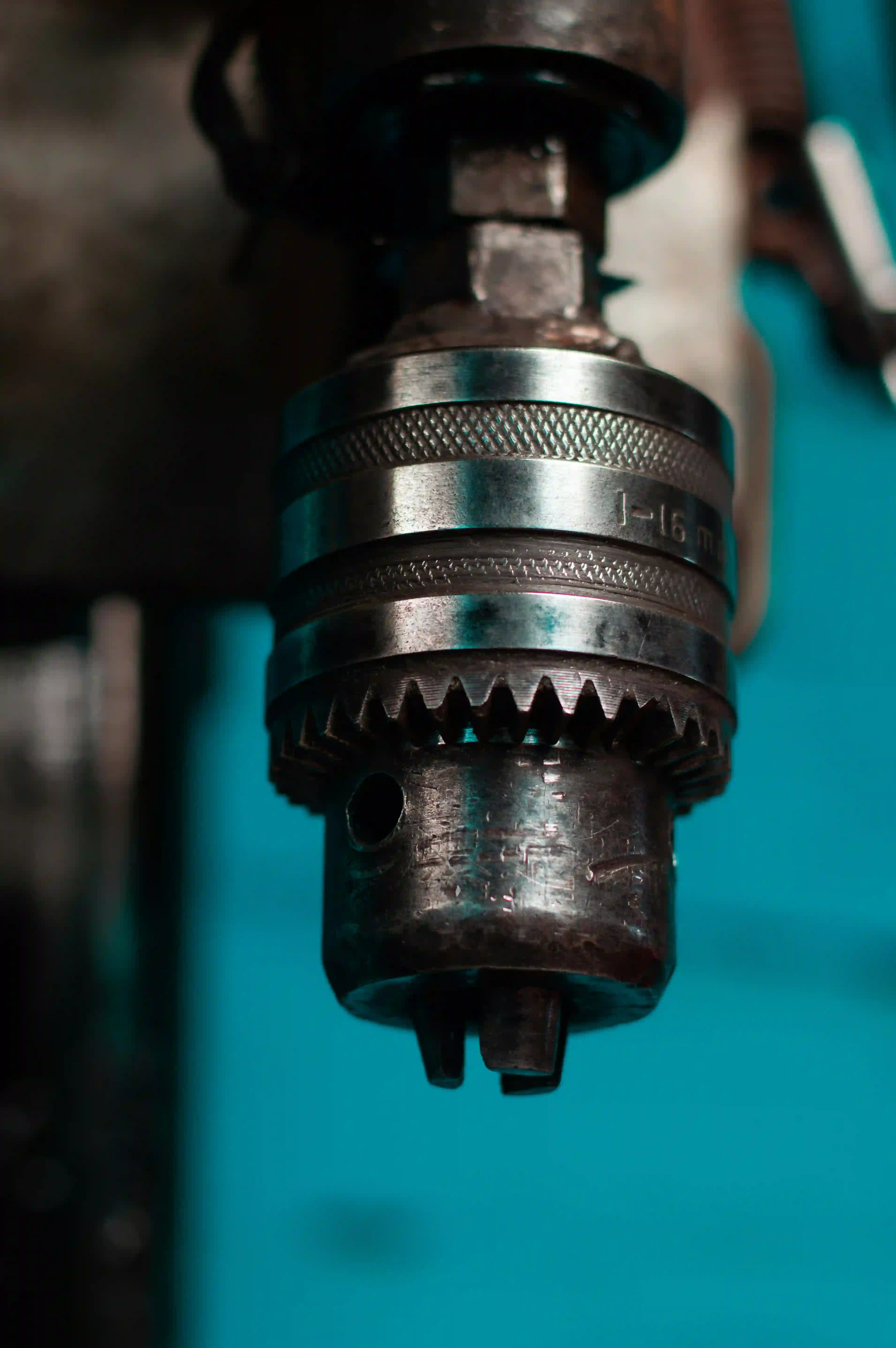
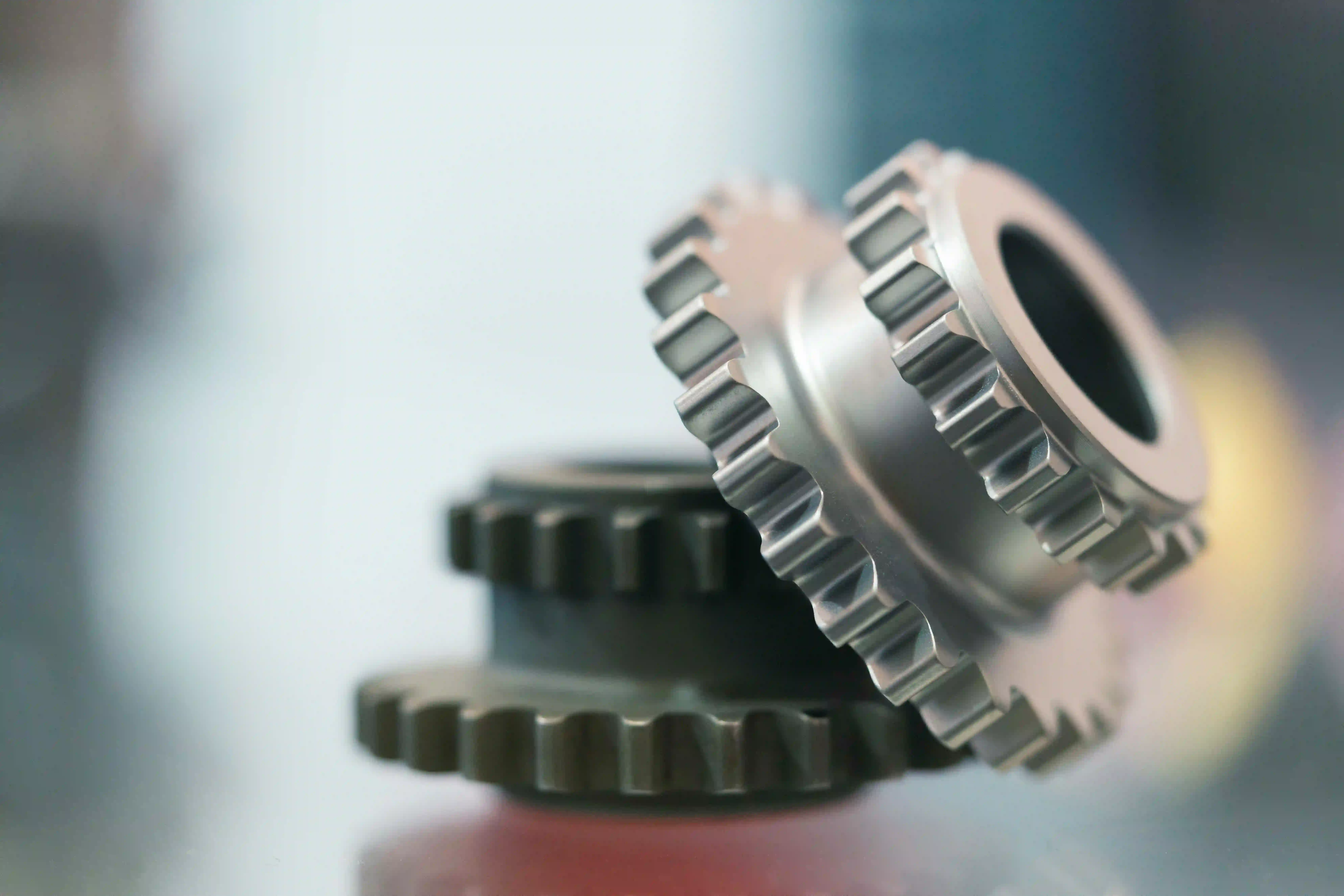
Raw Materials
Base materials consumed in your production process. Steel sheets, aluminum extrusions, lumber, plastic resins, copper wire, fabric rolls—whatever raw materials you transform into finished products.

Material Specifications

Track grade, dimensions, finish, and other critical specifications for each material type.
Vendor Information
Manage preferred suppliers, vendor part numbers, and supplier relationships.
Cost Management
Track unit costs, pricing history, and minimum order quantities for optimal purchasing decisions.
Inventory Control
Set min/max levels, reorder points, and lead times for efficient inventory management.
Compliance Tracking
Manage certifications and compliance requirements for regulatory adherence.

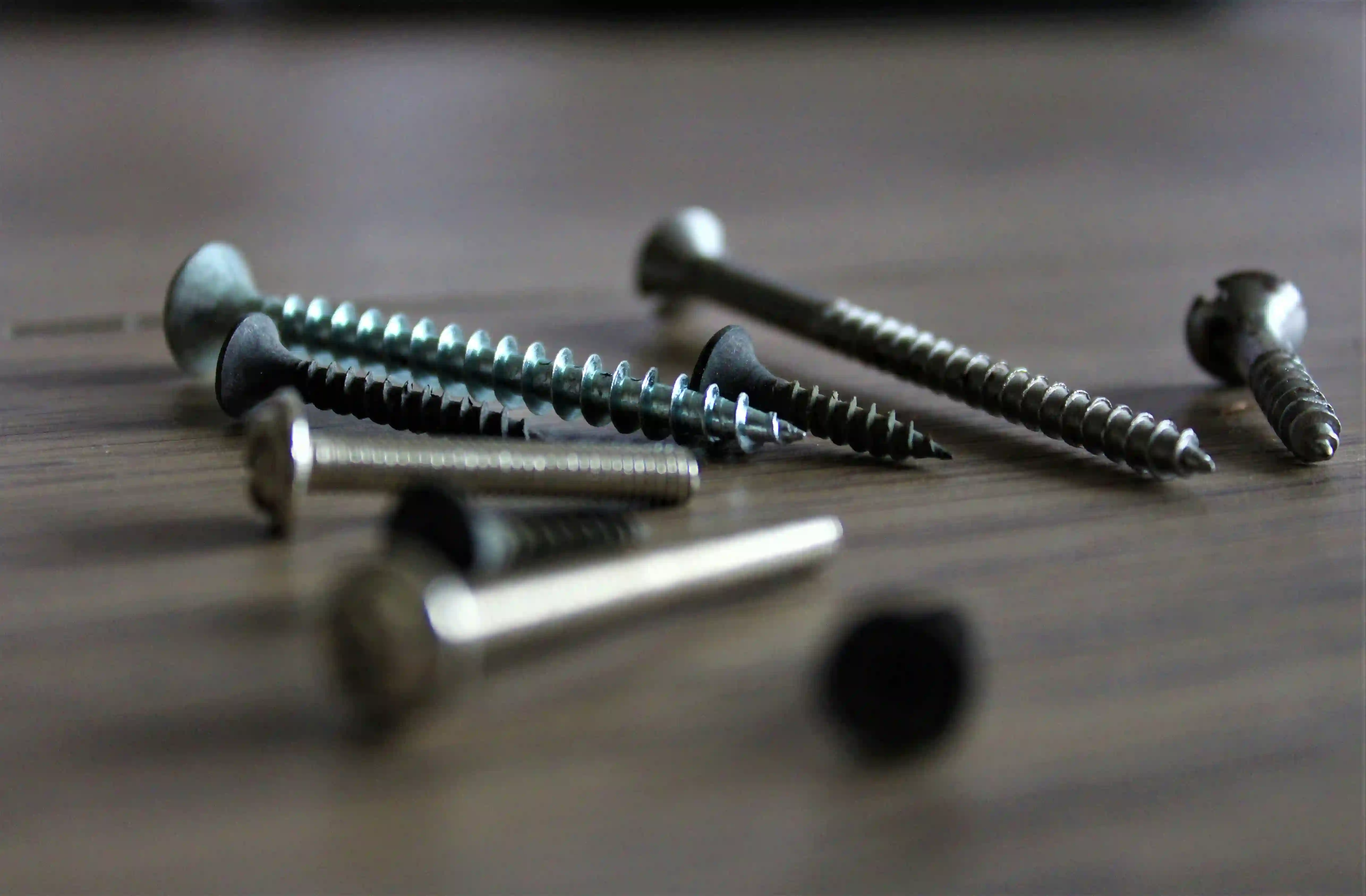
Purchased Parts
Ready-to-use components sourced from external suppliers. Bearings, motors, fasteners, electronic components, hydraulic cylinders, hinges—anything you buy complete and install directly into your products.
Manufacturer Part Numbers
Track manufacturer part numbers and cross-references for accurate identification.
Supplier Management
Manage primary and alternate suppliers with supplier-specific part numbers.
Cost Analysis
Track unit costs by quantity breaks and supplier lead times for MRP planning.
Quality Documentation
Maintain certificates of conformance and quality documentation for purchased parts.
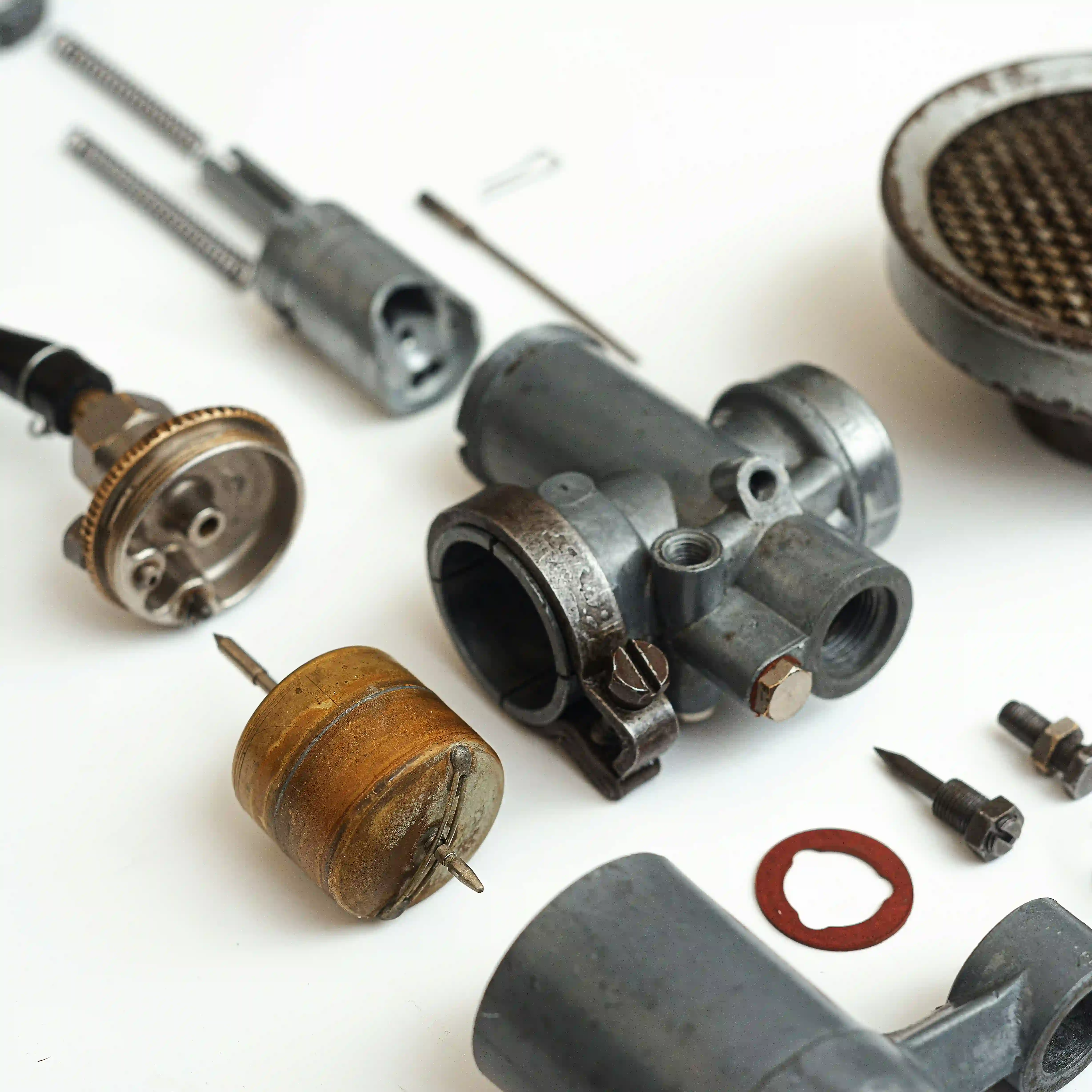
Manufactured Components
Parts and assemblies you produce internally that become part of finished products. Machined parts awaiting assembly, painted panels, cut pieces, welded frames, assembled sub-units—items that move through your production stages. Track what materials go into making each component and how production processes create them.
Production Instructions
Define production steps and operations needed to make each manufactured component.
Material Requirements
Track material inputs required to produce each semi-finished item.
Production Station Assignment
Assign which production stations handle each step and estimate labor time needed.
Cost Tracking
Compare estimated costs versus actual production costs to identify items running over budget.
Quality Control
Define quality inspection requirements and standards for semi-finished products.

Finished Products
Complete manufactured items ready to sell and ship to customers. Your final products with complete BOMs, routings, quality specs, packaging requirements, and customer-facing information.
Product Variants
Manage multiple product variants and configurations for different customer needs.
Complete Material List
Define complete material list showing all components and assembled parts needed to make the product.
Production Instructions
Create complete production instructions showing all steps and which stations handle each operation.
Customer Customization
Support customer-specific versions and customizations for specialized requirements.
Sales & Pricing
Manage sales pricing, discounts, and profitability analysis for each product.
Packaging & Shipping
Define packaging requirements, shipping weight, and documentation needs.
Powerful Product Master Features

Advanced Search
& Filtering
Find any product instantly across thousands of items. Search by part number, description, supplier, category, or custom attributes.
- Wildcard and fuzzy search
- Multi-criteria filtering
- Saved search templates
- Quick access favorites

Flexible
Categorization
Organize products your way with unlimited custom categories, tags, and attributes that match your business.
- Multi-level category trees
- Custom attributes and fields
- Product families and groups
- Tag-based classification

Unit of Measure
Conversions
Buy materials in one unit, store in another, use in production with a third measurement. For example, buy lumber by the board foot, store by the piece, and consume by linear inches in production. Automatic conversions eliminate calculation errors and simplify operations.
- Multiple units per product
- Automatic conversions
- Purchase/stock/production units
- Custom conversion ratios

Make vs Buy
Analysis
Track whether items are manufactured in-house or purchased externally. Support sourcing decisions with cost comparisons.
- Make/Buy designation
- Cost comparison tracking
- Vendor vs internal costs
- Capacity considerations

Lifecycle
Management
Manage products through their entire lifecycle from development to obsolescence with status tracking and effectivity dates.
- Status tracking (Active/Inactive/Obsolete)
- Effectivity date ranges
- Phase-in/phase-out management
- Supersession tracking

Product
Documentation and Files
Attach engineering drawings, material specifications, quality certificates, photos, and documents directly to each product record. Everyone accesses current documentation without searching file servers or asking colleagues for latest versions.
- Unlimited file attachments
- Engineering drawings and specifications
- Photos and images
- Version-controlled documents
Alpide blog
Boost Your Business with Alpide! Expert insights on ERP, E-Commerce, CRM, Warehouse, Accounting, HR, Sales, Finance & more to fuel your growth.
Product Management Integrated with Your Entire Operation
Product data flows automatically to BOMs, work orders, inventory, purchasing, and accounting. One update, everywhere.
Why Unified Product Data Management Beats Separate Systems
Traditional manufacturing operations maintain product information in separate spreadsheets for purchasing, production, and accounting. Each department creates their own version, and changes don't sync automatically between groups. Alpide Product Management centralizes all material and product data in one database. When purchasing updates supplier costs, production sees new prices immediately. When engineering changes specifications, quality teams get updated requirements instantly. When new products launch, sales, production, and accounting all work from identical information. You eliminate duplicate data entry, version confusion, and costly errors from outdated information. One centralized system replaces scattered spreadsheets and disconnected files.
Common Product Management Scenarios Where Alpide Helps
Real-world challenges solved with structured product data and process control.
Managing Engineering Changes and Product Updates
Update product specifications when designs change and track which version is current. See which active production orders use old specifications versus new ones.
Tracking Multiple Suppliers for Same Materials
Manage primary and alternate suppliers for critical materials with different part numbers, costs, and lead times.
Organizing Thousands of Product Variations
Handle products with multiple sizes, colors, features, or configurations without creating separate records.
Phasing Out Obsolete Products and Materials
Mark products as obsolete, control inactivity timing, and maintain historical data for service needs.
Maintaining Accurate Material Costs for Production Planning
Update material costs, track cost history, and calculate accurate product costs instantly.
Alpide Product Management FAQs
What types of products can Alpide Product Management track?
Alpide tracks raw materials, purchased parts, internally manufactured components or assemblies, and finished products ready for sale. It supports different units of measure, multiple suppliers per product, configurable and variant products, and items at every lifecycle stage from development to obsolescence.
How does Alpide help with supplier management?
Alpide maintains complete supplier data for each product, including primary and alternate vendors, supplier-specific part numbers, quantity-based pricing, lead times, and certifications. You can compare supplier pricing, track delivery and quality performance, and quickly switch vendors when issues arise, all directly linked to product records.
Can Alpide handle products with multiple variations or configurations?
Yes, Alpide manages product variations without duplicating entire product records. You define base specifications and configure changes for size, color, features, or production steps. Each variation can have its own cost and inventory tracking while sharing common product-family data.
How does Alpide track engineering or specification changes?
Alpide provides version control for product specifications, tracking what changed and when. You can mark active versions for new production, set effective dates for changes, attach updated drawings, and notify relevant teams so everyone works with the latest approved specifications.
What product documentation can be attached in Alpide?
You can attach unlimited documents including engineering drawings, material specifications, supplier certificates, quality reports, photos, assembly instructions, safety data sheets, and compliance records. All files are version-controlled and stored directly within product records for easy access.
How does Alpide help with product cost tracking?
Alpide tracks supplier material costs with full price history and automatically rolls up material, labor, and overhead costs to calculate accurate product costs. Cost updates immediately reflect pricing changes, enabling reliable quoting, profitability analysis, and make-versus-buy decisions.
How does product lifecycle management work in Alpide?
Alpide tracks products from development and testing through active production and eventual discontinuation. You can assign lifecycle statuses, control availability with effective dates, define replacement products, prevent purchasing obsolete items, and retain historical data for service and warranty needs.
How is Alpide Product Management different from PLM systems like Arena or Teamcenter?
Standalone PLM systems like Arena and Teamcenter focus primarily on engineering collaboration. Alpide combines product data management with material planning, production scheduling, inventory control, and accounting in one unified platform. This makes Alpide ideal for growing manufacturers who need fully integrated operations at a significantly lower cost.
Related Questions About Product Data Management

Talk to Expert
Transform Your Business With Alpide
Streamline your business operations, access real-time insights, enhance control, ensure data accuracy, lower expenses, fulfill orders efficiently, and elevate customer service with.




Contact Us